
When you’re injured on someone else’s property in Mississippi, one crucial element that may impact your case is whether the property owner was aware of the hazard that caused your injury. Understanding whether the property owner knew about the dangerous condition before your injury is a key step in holding them accountable. This guide breaks down the signs that could indicate the property owner’s prior knowledge of the hazard.
Brad Morris
Attorney


Introduction: Understanding Premises Liability in Mississippi 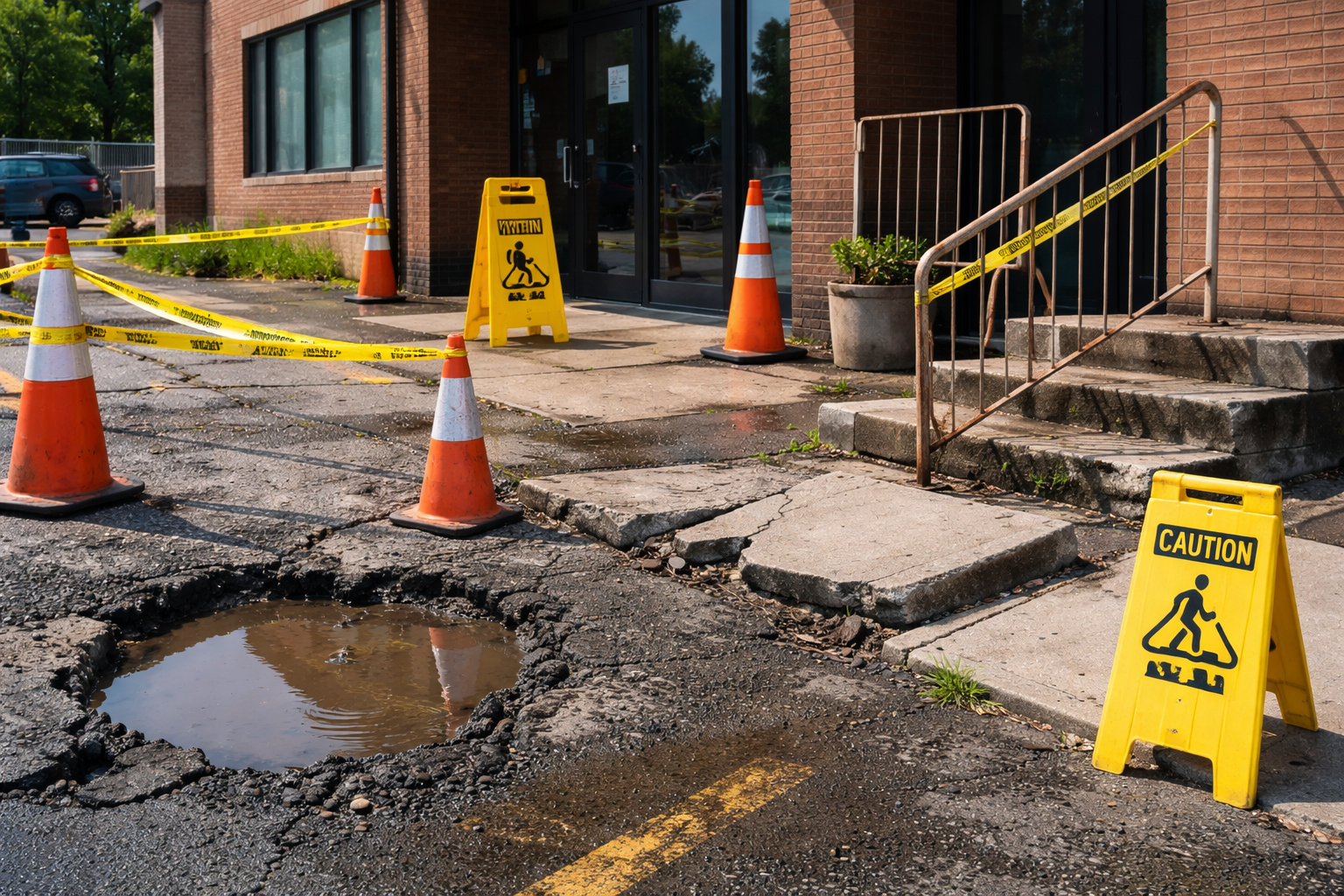
If you’ve been injured on a property in Mississippi, you may be wondering how to build your case. One of the most important factors in a premises liability claim is whether the property owner knew about the hazard that caused your injury. The law requires that property owners maintain a safe environment for visitors, and if they fail to do so, they can be held accountable for injuries that occur because of unsafe conditions.
Brad Morris Law Firm, PLLC has extensive experience in handling cases where property owners have failed to address known hazards. If you’re dealing with an injury that occurred due to a property hazard, it’s important to understand how to identify the signs that the owner was aware of the danger. Below, we dive deep into the different indicators that the property owner knew about the hazard before your injury happened.
- Previous Complaints or Reports of the Hazard
In many cases, the property owner is aware of hazards on their property because they’ve received complaints from employees, tenants, or previous visitors. Whether the hazard is something as simple as a broken light or as dangerous as a slippery floor, any documented complaints can significantly strengthen your case.
Property owners are responsible for keeping their premises safe and must address hazards once they are made aware of them. If others have previously reported issues with a dangerous condition and the owner failed to take action, this shows that they were negligent. For instance, if employees have complained about a wet floor or broken steps for months without the issue being addressed, it can be argued that the owner knew about the risk but did nothing to fix it.
What to Look For:
- Complaint records: Reports from employees or tenants about the dangerous condition.
- Maintenance logs: Documented repairs or lack thereof can point to the owner’s awareness.
- Eyewitness testimonies: Individuals who witnessed the hazard or had similar experiences may provide evidence to support your claim.
- History of Similar Incidents or Injuries
Another sign that a property owner was aware of a hazard is if there have been similar injuries or incidents in the past. When someone else has been hurt in the same way, it suggests that the condition responsible for the injury was not a new problem. In fact, a history of prior injuries can make it easier to prove that the owner was aware of the hazard.
If another visitor fell due to the same hazardous condition that caused your injury, there is a strong likelihood that the owner knew about the problem. A pattern of similar accidents can demonstrate that the owner should have been aware of the danger and had the responsibility to address it.
What to Look For:
- Accident records: Previous accident reports detailing similar injuries on the property.
- Witness statements: People who witnessed other accidents or incidents related to the hazard.
- Medical records: Past injuries that occurred in the same location due to the same or similar hazard.
- Inconsistent or Missing Maintenance and Inspections
Property owners are required to maintain their properties and inspect them regularly for safety hazards. Failing to conduct regular inspections or maintain the property could indicate that the owner knew about a problem and neglected to act. If the owner has a history of neglecting their responsibilities, it suggests they may have been aware of the hazardous condition.
Steps of a Personal Injury Case Will My Case Go To Trial?Related Videos
For example, if an owner never repaired a broken handrail despite knowing about it, or neglected to repair a broken sidewalk even after multiple complaints, it would be a clear indication of negligence. Property owners cannot simply ignore the state of their property when they know that it’s unsafe for visitors.
What to Look For:
- Inspection records: Any evidence that inspections were not performed or were performed inadequately.
- Maintenance schedules: Proof that regular maintenance wasn’t done, even when needed.
- Repair histories: Documentation showing the owner ignored repairs or delayed necessary fixes.
- Visible Hazards That Are Easy to Identify
Sometimes, a hazard is so obvious that it is unreasonable for the property owner to claim they didn’t know about it. If a hazard is clearly visible to anyone on the property, such as a pothole in a parking lot or a broken stair railing, there is little excuse for not addressing it. These visible conditions often serve as strong evidence that the property owner knew about the hazard but failed to act.
Property owners have a duty to remove or warn visitors about dangers that are easy to identify. If they neglect to do so, it can show that they were aware of the risk and intentionally ignored it.
What to Look For:
- Photographs or video footage: Evidence showing the hazard was clearly visible to others.
- Witness statements: Accounts from other visitors or tenants about how obvious the hazard was.
- Public safety reports: City or local government reports about hazardous conditions on the property.
- Direct Admissions or Statements from the Property Owner
In some cases, property owners may directly admit that they knew about the hazard. Whether it’s an email, a conversation, or a written statement, any admission of knowledge from the owner can be highly beneficial to your case. While property owners may try to downplay their knowledge of the hazard, statements like “I knew the steps were slippery, but I just didn’t get around to fixing them” or “I was going to repair that light, but I forgot” can help prove that they were aware and failed to take appropriate action.
What to Look For:
- Direct statements from the owner: Any comments or written communication acknowledging the hazardous condition.
- Emails or text messages: Written admissions that indicate the owner was aware of the hazard but did nothing about it.
- Recorded conversations: If you’ve had a conversation with the owner in which they admitted to knowing about the hazard, this could be useful.
How to Strengthen Your Case in Mississippi
If you’ve been injured on someone else’s property, gathering the right evidence to prove that the property owner knew about the hazard before your injury is vital. The signs mentioned above—previous complaints, past incidents, lack of maintenance, visible hazards, and direct admissions—are all strong indicators that the owner was aware of the dangerous condition.
Brad Morris Law Firm, PLLC is dedicated to helping clients in Mississippi navigate premises liability cases. Our team can help you gather the evidence needed to build a strong case, ensuring that the property owner is held accountable for their negligence. If you’ve been injured on someone else’s property, contact us today for a free consultation.