
Black ice is one of the most deceptive and dangerous hazards drivers face during Mississippi winters. This nearly invisible hazard causes accidents that are hard to predict, often due to the way black ice forms on road surfaces. In this guide, we’ll dive into the science behind black ice, why it’s so difficult to spot, the dangers it presents, and how to drive safely when it’s present. At Brad Morris Law Firm, we’re committed to helping you understand your rights if you’re involved in an accident caused by black ice.
Brad Morris
Attorney




Understanding Black Ice and Its Formation 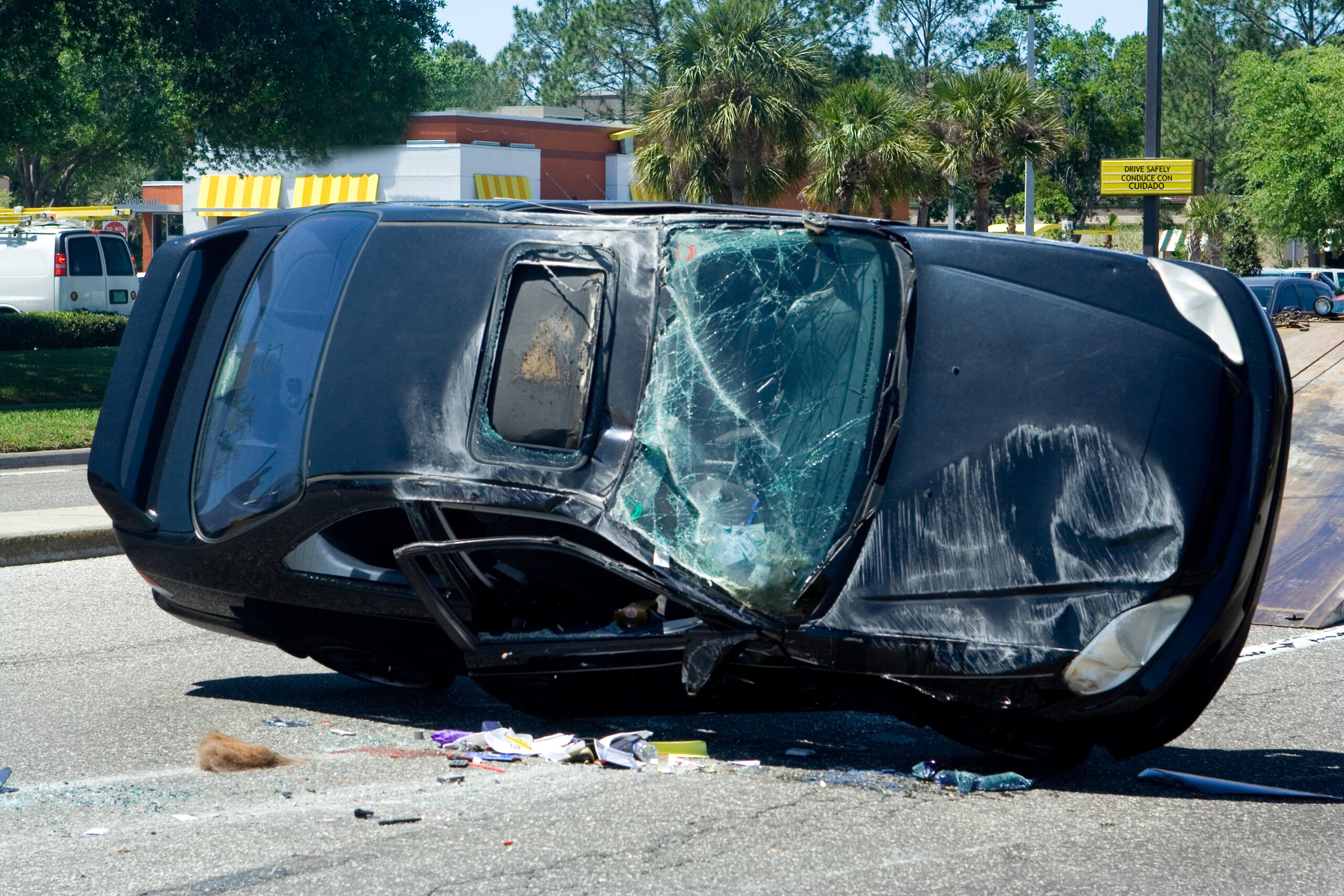
Black ice forms when water or moisture freezes on the road, creating a thin layer of ice that is nearly invisible to the driver. It often forms during the overnight hours or early mornings when the temperature drops, but it can also form in the late evening when roads are shaded and temperatures dip just enough for the moisture to freeze. This makes it most dangerous in the hours when many people are commuting or running errands.
Unlike traditional ice, which may have a cloudy or white appearance, black ice mirrors the color of the asphalt beneath it. As a result, it is almost invisible, blending in perfectly with the road’s surface, and leaving drivers unaware of the danger until they’re already on top of it. This is why accidents related to black ice are so common—they often catch drivers by surprise.
Why Drivers Rarely See Black Ice Coming
The primary reason black ice is so dangerous is that it’s difficult to detect. There are several factors that make it harder for drivers to recognize the presence of black ice:
- Lack of Visual Cues: Unlike snow, which has a noticeable white appearance, black ice is essentially clear. Drivers may see a wet spot on the road, but they often mistake it for just damp pavement rather than a frozen patch.
- Temperature Fluctuations: Black ice can form even when temperatures aren’t at freezing. It forms when the temperature falls just enough to cause moisture to freeze, and it can appear even when you don’t expect it.
- Night and Early Morning Hazards: Black ice typically forms in the early morning or late at night when the sun has set and the roads have cooled. This means that many accidents occur during times when drivers are already fatigued and their visibility is reduced due to the darkness.
The Dangers of Black Ice
Black ice is especially dangerous because it often leads to accidents where drivers lose control of their vehicles. The slippery nature of the ice means that tires lose their grip, and even experienced drivers can find themselves skidding or sliding unpredictably. Below are some of the common dangers posed by black ice:
- Loss of Traction: The most immediate danger is the loss of traction. When cars hit a patch of black ice, tires lose their grip on the road, causing the vehicle to slide uncontrollably. This can lead to collisions with other vehicles, trees, guardrails, or even into oncoming traffic.
- Rear-End Collisions: Black ice often causes sudden and unexpected slowing or stopping. Drivers may not notice the slick patch until it’s too late to react, leading to rear-end collisions.
- High-Speed Crashes: When black ice forms on highways or interstates, it’s especially dangerous. Drivers may not slow down enough before hitting a patch of ice at high speeds, which increases the severity of the crash and the potential for serious injuries.
- Pedestrian and Cyclist Risks: Pedestrians and cyclists are at risk when black ice is present, as they are more susceptible to slipping and falling. In places like Oxford and Tupelo, where winter temperatures can fluctuate, these conditions are especially hazardous.
When and Where Is Black Ice Most Likely to Form in Mississippi?
While black ice can appear on any road, certain conditions and locations make it more likely to form in Mississippi:
- Bridges and Overpasses: These areas freeze faster than regular roadways because they are exposed to air from both the top and the bottom. If the temperature drops below freezing, these areas will often be the first to develop black ice.
- Shaded Roads: Roads that are shaded by trees, buildings, or other structures freeze more quickly, making them prime spots for black ice to form. Drivers might not notice these hazardous conditions until it’s too late.
- Rural and Residential Areas: In areas where roads are less frequently plowed or salted, like rural parts of Mississippi, black ice can form without any warning. These areas are less likely to have streetlights or traffic, which makes it even harder for drivers to spot the ice in time.
Steps of a Personal Injury Case Will My Case Go To Trial?Related Videos
Tips for Driving Safely on Black Ice
While black ice is dangerous, there are steps drivers can take to minimize their risk:
- Drive Slowly: One of the best ways to avoid losing control on black ice is by driving at reduced speeds. Lowering your speed gives you more time to react if you hit a patch of ice unexpectedly.
- Maintain Distance: Keep a greater following distance than usual. If another vehicle loses control, having more space between you and other drivers allows you to react in time.
- Avoid Sudden Movements: When driving on roads that may have black ice, avoid sudden steering, braking, or accelerating. Gentle maneuvers will help prevent your vehicle from sliding.
- Use Proper Tires: Equip your vehicle with winter or all-season tires designed for low temperatures. These tires provide better traction on icy roads.
- Know the Forecast: Keep an eye on weather reports and road conditions. If freezing rain or a cold front is expected, prepare to drive cautiously, even if the roads don’t appear icy at first glance.
- Avoid Cruise Control: Never use cruise control in conditions where black ice may be present. Always maintain control of your vehicle’s speed and responsiveness.
What to Do If You’re Involved in an Accident Due to Black Ice
If you’re involved in an accident caused by black ice, there are important steps to take to protect your rights and ensure proper compensation:
- Seek Medical Attention: Even if you don’t feel injured immediately, it’s important to see a doctor. Many injuries from car accidents, especially those involving black ice, may not be apparent until hours or days after the crash.
- Document the Scene: Take pictures of the scene, road conditions, and any damage to your vehicle. This can be crucial evidence if you need to file an insurance claim or lawsuit.
- Contact Brad Morris Law Firm: Our team at Brad Morris Law Firm is experienced in handling winter-related accidents and can help you navigate the complexities of personal injury claims after a black ice accident. We offer free consultations and will fight to ensure you get the compensation you deserve.
Black ice is a dangerous and often invisible hazard on Mississippi roads. Drivers must be vigilant, especially in the early morning or evening hours when the ice is most likely to form. By reducing speed, maintaining distance, and driving with caution, you can significantly reduce your risk of an accident. If you or a loved one has been involved in a car accident due to black ice, contact Brad Morris Law Firm today. We’re here to help you understand your legal options and get the justice you deserve