
After a boating accident on a Mississippi lake, get everyone to safety, call 911 or the proper marine authority, seek medical care, exchange information, document the scene, and avoid giving recorded insurance statements before you understand your rights. Brad Morris Law Firm, PLLC, helps injured people in Mississippi evaluate boating accident claims involving careless operators, unsafe rental equipment, alcohol use, speeding, crowded boat ramps, wake collisions, and serious injuries.
Brad Morris Law Firm, PLLC, serves people in Oxford, Tupelo, Lafayette County, Lee County, and nearby North Mississippi communities where summer lake trips often include Sardis Lake, Enid Lake, Grenada Lake, Pickwick Lake, Bay Springs Lake, and other popular boating areas. A claim may depend on proof of negligence, Mississippi boating rules, accident reports, medical records, witness accounts, photos, and whether more than one person or company contributed to the crash.
Brad Morris
Attorney




What to Do After a Boating Accident on a Mississippi Lake This Summer 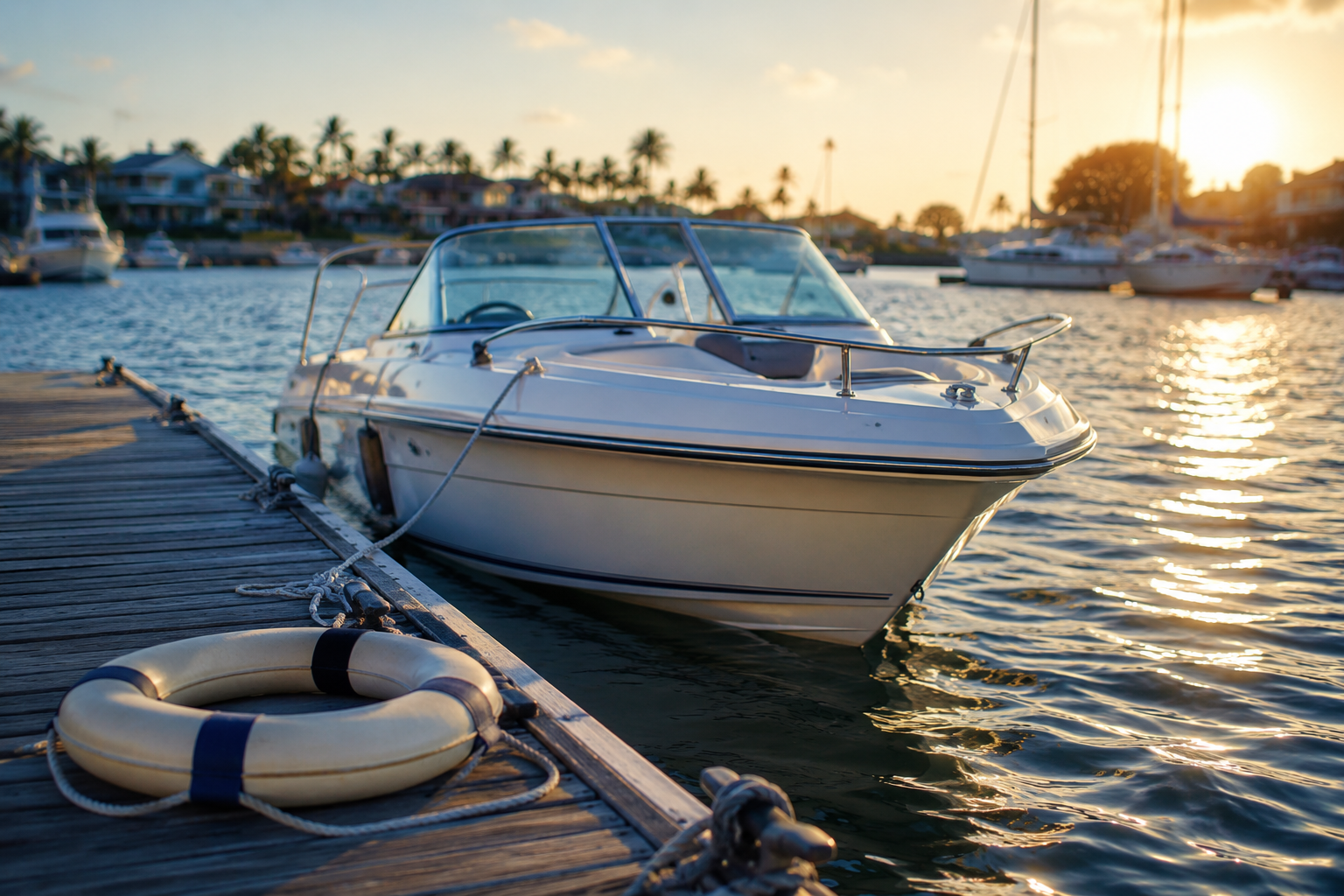
A summer boating accident can leave you shaken, injured, and unsure about what comes next. You may be fishing, tubing, riding a pontoon, or heading back to the dock when a collision, fall, propeller injury, or wake-related crash changes everything.
Mississippi lake accidents are different from ordinary car wrecks. Evidence can disappear quickly because boats move, passengers leave, water conditions change, and damaged equipment gets repaired. Taking the right steps early can protect your health and help preserve the facts.
Get Everyone to Safety First
Your first priority is safety. Move away from any immediate danger if you can do so without making injuries worse. Check passengers for head injuries, bleeding, breathing problems, neck pain, back pain, confusion, or signs of shock. Make sure everyone has a life jacket if there is any risk of falling into the water.
Call 911 if anyone is injured, missing, trapped, unconscious, or in danger. On larger waterways, emergency response may involve local law enforcement, the Mississippi Department of Wildlife, Fisheries, and Parks, fire rescue, ambulance services, or other authorities. If the accident happens on an inland lake in North Mississippi, MDWFP may be involved in reporting and enforcement.
Do not let embarrassment, adrenaline, or pressure from another boater keep you from seeking help. Some injuries are not obvious right away, including concussion, internal injury, spinal injury, or soft tissue damage.
Seek Medical Care as Soon as Possible
Medical care protects your health and creates records that may become relevant if you later make a claim. Tell the medical provider that you were involved in a boating accident and describe every symptom, even if it seems minor.
Common boating accident injuries include:
Cuts, bruises, and lacerations
Broken bones
Concussions and traumatic brain injuries
Neck and back injuries
Shoulder, knee, and ankle injuries
Drowning or near-drowning complications
Propeller injuries
Burns from fuel, fire, or hot equipment
Emotional distress after a frightening event
Follow the discharge instructions, attend follow-up appointments, and keep copies of your medical records, bills, prescriptions, and therapy notes. If your injuries are severe or life-changing, information on the firm’s Mississippi catastrophic injury page at https://www.bradmorrislawfirm.com/mississippi-catastrophic-injury-attorneys/ may help you understand how serious injury claims are approached.
Report the Boating Accident
Mississippi law requires certain boating accidents to be reported. Under Mississippi Code Section 59-21-51, an operator must file an accident report when a boating accident results in death, injury causing a person to remain incapacitated for more than 24 hours, or property damage over $100. For most lake accidents north of Interstate 10, reports are generally handled through MDWFP. Coastal incidents may involve the Mississippi Department of Marine Resources.
Even when you are not sure whether a written report is required, ask the responding authority what must be done. A report can help confirm when and where the accident happened, who was involved, and whether alcohol, speed, equipment problems, or unsafe operation may have played a role.
Steps of a Personal Injury Case Will My Case Go To Trial?Related Videos
Exchange Information and Identify Witnesses
Get the names, phone numbers, addresses, and insurance information of all boat operators, owners, passengers, and witnesses. If a rented boat, marina, guide service, boat club, tour operator, or maintenance company is involved, write down the company name and the names of employees who spoke with you.
Useful information may include:
Boat registration numbers
Operator names and contact details
Owner names if different from the operator
Rental company or marina information
Passenger and witness names
Insurance details
Photos of the boat, dock, ramp, equipment, and visible damage
The location of the accident on the lake
Weather, lighting, traffic, and water conditions
Witnesses may leave before officers arrive. A neutral witness can help explain speed, direction of travel, wake size, right-of-way issues, alcohol use, unsafe towing, or whether a warning was given before impact.
Take Photos and Preserve Evidence
If it is safe, take photos and videos before the scene changes. Capture the boats from several angles, the dock or ramp, life jackets, ropes, tubes, skis, navigation lights, damaged seats, broken railings, propellers, electronics, and any visible injuries. Keep damaged personal items, torn clothing, broken phones, sunglasses, coolers, or gear that may show the force of the accident.
Do not repair or dispose of damaged equipment too quickly. A cracked hull, failed ladder, broken steering component, loose railing, defective throttle, or missing safety gear may help show what happened.
For many injured people, the next steps are similar to other injury claims. The firm’s page on steps in a personal injury claim at https://www.bradmorrislawfirm.com/steps-in-a-personal-injury-claim/ explains how injury claims often move from investigation to treatment, negotiation, and possible litigation.
Be Careful With Insurance Calls
After a Mississippi boating accident, you may hear from an insurance adjuster for another boater, a rental company, a marina, or your own carrier. Be polite, but cautious. You can confirm basic contact information, but you do not need to guess about fault, give opinions about your injuries, or agree to a recorded statement before you have legal advice.
Insurance companies may ask questions that sound routine but affect your claim later. They may ask whether you saw the other boat, whether you had anything to drink, whether you were standing, whether you were holding on, whether you knew the operator, or whether you feel better. Your answers can be taken out of context.
Do not post about the accident on social media. Photos of a lake trip, a smiling family member, or a later activity can be misunderstood. Keep conversations about the accident private.
How Fault Works in a Mississippi Boating Accident
A boating accident claim usually depends on negligence. Negligence means someone failed to use reasonable care under the circumstances. On a lake, that may involve speeding too close to other boats, ignoring navigation rules, operating while impaired, failing to keep a lookout, overloading a vessel, unsafe towing, failing to use lights, creating a dangerous wake, or renting out unsafe equipment.
Potentially responsible parties may include:
A boat operator
A boat owner
A rental company
A marina
A tour or guide company
A maintenance provider
A product manufacturer
Another passenger in limited situations
Mississippi follows comparative negligence under Mississippi Code Section 11-7-15. This means fault can be divided. If an insurer argues that you were partly responsible, your evidence can help show what really happened and how fault should be assessed.
When a boating accident causes a death, Mississippi wrongful death law may apply. Families can learn more through the firm’s Mississippi wrongful death attorneys page at https://www.bradmorrislawfirm.com/mississippi-wrongful-death-attorneys/.
What Compensation May Include
Compensation depends on the facts, the injuries, available insurance, and proof. A boating accident claim may involve medical bills, future medical care, lost income, reduced earning ability, pain, suffering, scarring, disability, emotional harm, and out-of-pocket costs.
Some cases involve severe injuries, disputed liability, missing evidence, or multiple insurance policies. A lawyer can investigate the accident, identify responsible parties, request records, communicate with insurers, and help calculate the full impact of the injury.
If you need a broader overview of injury claims, the Mississippi personal injury attorneys page at https://www.bradmorrislawfirm.com/mississippi-personal-injury-attorneys/ explains how the firm helps people hurt by negligence.
Watch the Deadline
Mississippi personal injury claims are subject to strict deadlines. In many injury cases, Mississippi Code Section 15-1-49 provides a three-year limitation period, but the deadline can change based on the type of claim, the parties involved, government entities, death claims, minors, or other facts. Waiting can also make your case harder because witnesses move, memories fade, lake conditions change, video is deleted, and damaged equipment is repaired.
Speak With a Mississippi Boating Accident Attorney
A boating accident on a Mississippi lake can affect your health, work, family, and finances. You do not have to sort through medical bills, insurance calls, accident reports, and legal deadlines alone.
Brad Morris Law Firm, PLLC helps injured people in Oxford, Tupelo, Lafayette County, Lee County, and nearby Mississippi communities understand their options after serious accidents. To discuss what happened, contact the firm through https://www.bradmorrislawfirm.com/contact/ and ask for a free consultation.
This article is for informational purposes only and is not legal advice. Consult an attorney about your specific situation.